





The global energy market has been plunged back into uncertainty following Iran’s announcement on Friday, June 19, 2026, that it has re-closed the strategic Strait of Hormuz.
The aggressive naval blockade effectively shatters the highly anticipated memorandum of understanding signed just forty-eight hours prior by United States President Donald Trump and Iranian President Masoud Pezeshkian.
According to a report by the New York Post, the Islamic Revolutionary Guard Corps broadcasted the directive over international maritime radio channels, explicitly warning commercial vessels to steer clear of the vital chokepoint or risk being targeted by Iranian forces.
Tehran justified the swift collapse of the peace treaty by accusing Washington of immediate bad faith, claiming the United States is in direct violation of the freshly signed agreement.
The paramilitary group asserted that the landmark accord was strictly contingent upon the complete withdrawal of what it termed American terrorist forces from the Persian Gulf, alongside a total Israeli military retreat from southern Lebanon and the lifting of the naval blockade there.
By tying the reopening of the world’s most critical oil artery to these expansive geopolitical demands, Iran has signaled its readiness to dig in for a protracted economic and military standoff.
The sudden reversal has blindsided international diplomats and sent shockwaves through global supply chains, as the Strait of Hormuz handles roughly thirty percent of all seaborne crude oil trade.
The renewed closure is expected to instantly erase the market relief felt earlier in the week, threatening to drive global oil prices back toward historic highs and forcing commercial fleets to brace for soaring insurance rates.
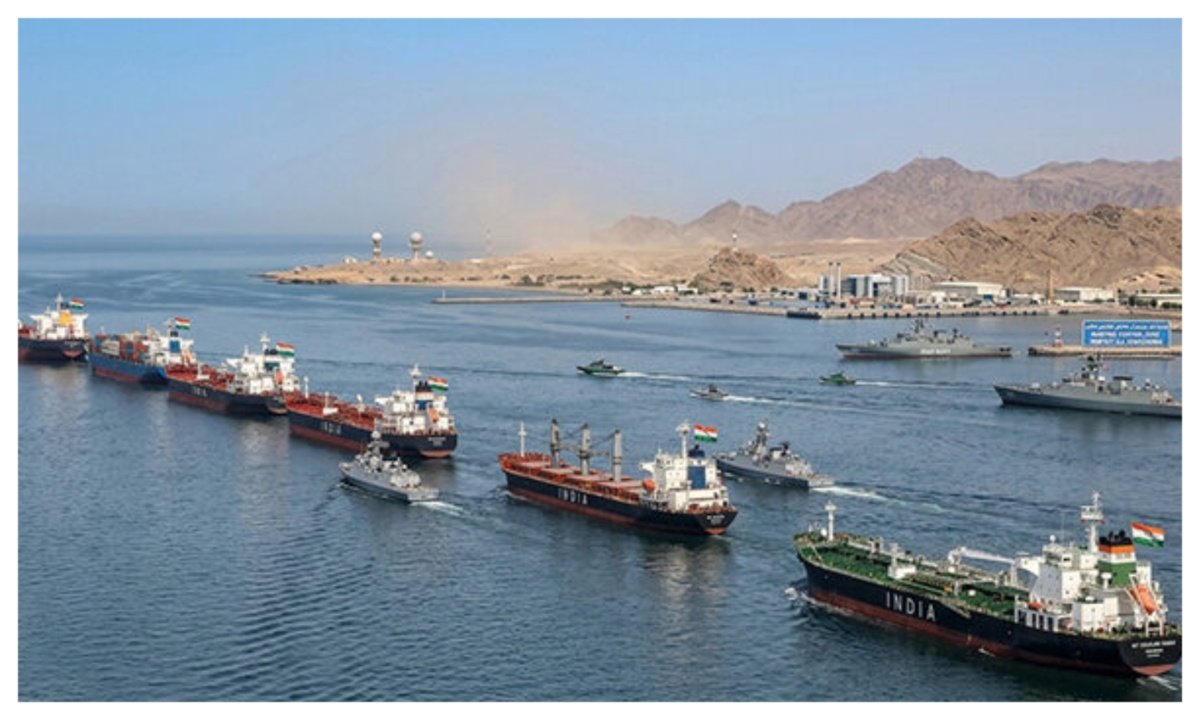
As shipping companies frantically redirect assets away from the Persian Gulf, the international community faces the renewed threat of a massive energy crisis and potential military escalations in the Middle East.