




The African Continental Free Trade Area (AfCFTA) has joined forces with Germany’s economic development agency, Deutsche Gesellschaft für Internationale Zusammenarbeit (GIZ), to empower young Nigerian entrepreneurs with vital trade skills.
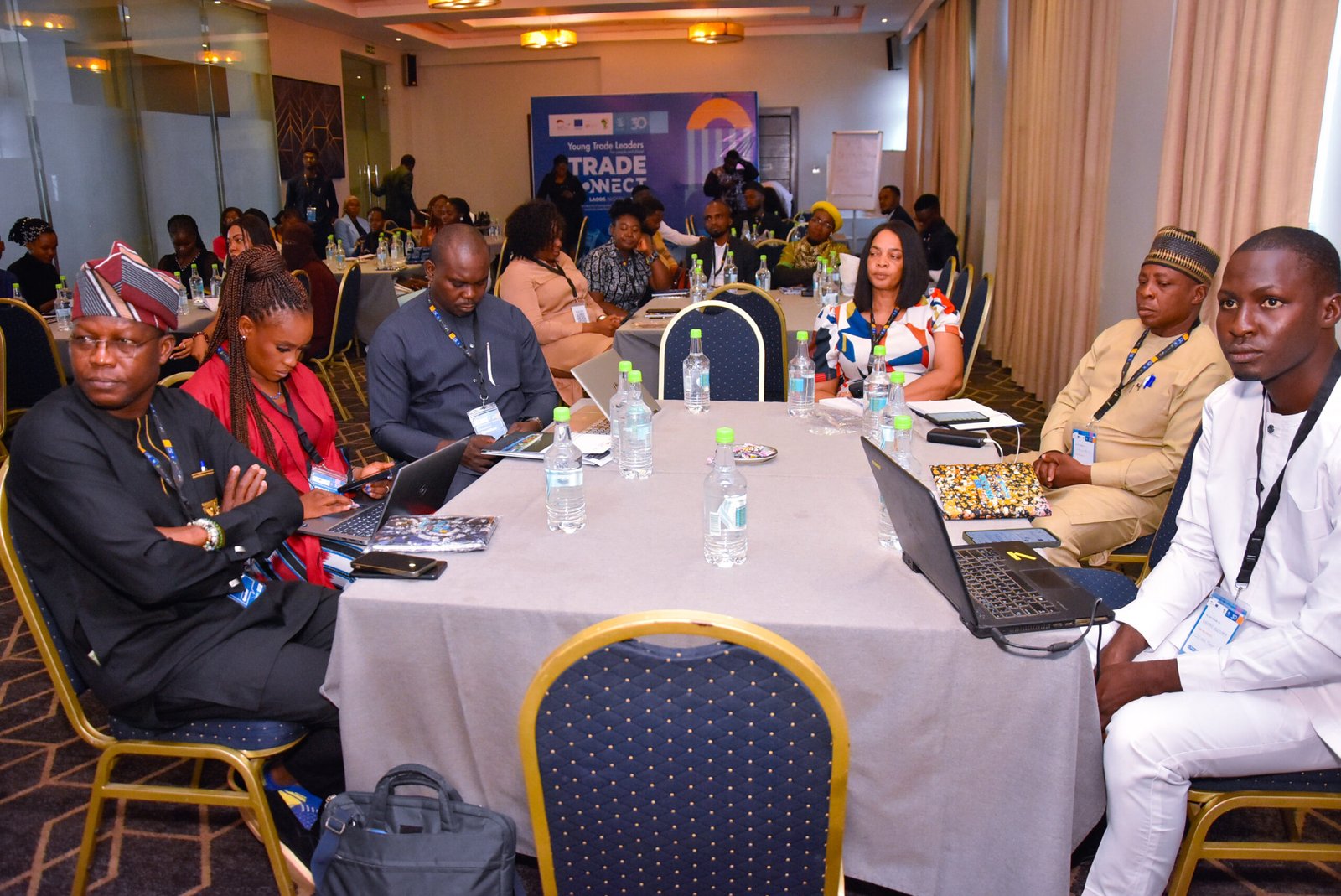
Under the newly launched ‘TradeConnect’ initiative, a two-day capacity-building programne was recently held in Lagos and organised by Eric Andrew, the World Trade Organization (WTO) young trade leader.
The event provided 50 young business owners with practical training on international trade regulations, market access strategies, and export compliance, equipping them to expand into global markets.

In a statement, Bernard Tayoh, GIZ’s head of project, highlighted that the initiative aligns with Germany’s commitment to enhancing trade integration in West Africa.
“Trade is more than economic growth—it is transformation,” he said.
“‘TradeConnect’ is exactly the kind of initiative that brings the benefits of targeted trade policy to life, empowering real people with real tools to access real markets.”
Tayoh also emphasised GIZ’s dedication to removing barriers for young entrepreneurs, fostering inclusive economic growth.
Andrew, the programme founder, explained that ‘TradeConnect’ was designed to bridge the gap between global trade policies and local business owners.
“As a WTO Young Trade Leader, my mission is to localize global trade knowledge and connect Nigerian entrepreneurs to international opportunities,” he said.
“TradeConnect is our way of saying: Nigerian youth are ready, and with the right support—like what GIZ is providing—we can compete globally and win.”
Participants included agribusiness owners and digital exporters, many of whom face challenges in cross-border trade.
Team lead at FARMCAS, Eze Chidinma Mary, said: “It’s been amazing, particularly for the opportunity to connect with various stakeholders involved in the export process.
“As an agropreneur, I have experienced quite some bottlenecks exporting. With what I have learnt at this program, I am better empowered.”
The programme also covered key trade agreements, including the African Growth and Opportunity Act (AGOA) and EU trade frameworks, ensuring participants gain a competitive edge in global markets.
The CEO of Avila Nigeria, Temitope Mayegun, called for improvement in infrastructure, digitalisation in borders in Africa and access to information to boost trade.
Mayegun said: “There is need for Nigeria to improve on information and there is need for the government to invest in officials involved in export process because there are so many officials that claim ignorance of so many things.
“Some borders are still operating manually, many are not lit up and the roads are bad; there is a lot of improvement in Nigeria when it comes to trade facilitation but there is need to invest in infrastructure and capacity training.
“If African leaders can simplify the movement of goods and people within the continent, it will be easy to come up with one currency and improve trade. We don’t need the bottlenecks and the leaders should understand that we are one.”