




Ayatollah Ali Khamenei, Iran’s Supreme Leader and the central architect of the country’s decades-long hostility toward Israel, has been killed in a high-precision strike in central Tehran.
The operation, a watershed moment in Middle Eastern history, was carried out by Israel using critical intelligence provided by the United States.
For months, the CIA had meticulously tracked Khamenei’s movements, mapping his daily patterns and identifying secure locations.
The window of opportunity opened on Saturday morning when U.S. intelligence confirmed that Khamenei would be attending a high-level summit with Iran’s military elite at a leadership compound in the heart of the capital.
According to reports from the New York Times, Washington and Tel Aviv had originally planned a nighttime offensive but adjusted the timing to 9:40 a.m. local time to ensure the Supreme Leader was on-site.
The strike, which Israel later documented in released footage, utilized long-range precision munitions to level the compound.
Iranian state television took the extraordinary step of confirming the death of the man who had ruled the Islamic Republic for over 35 years. Alongside Khamenei, the Iranian judiciary confirmed the deaths of General Mohammad Pakpour, chief of the Revolutionary Guards, and top security adviser Ali Shamkhani.
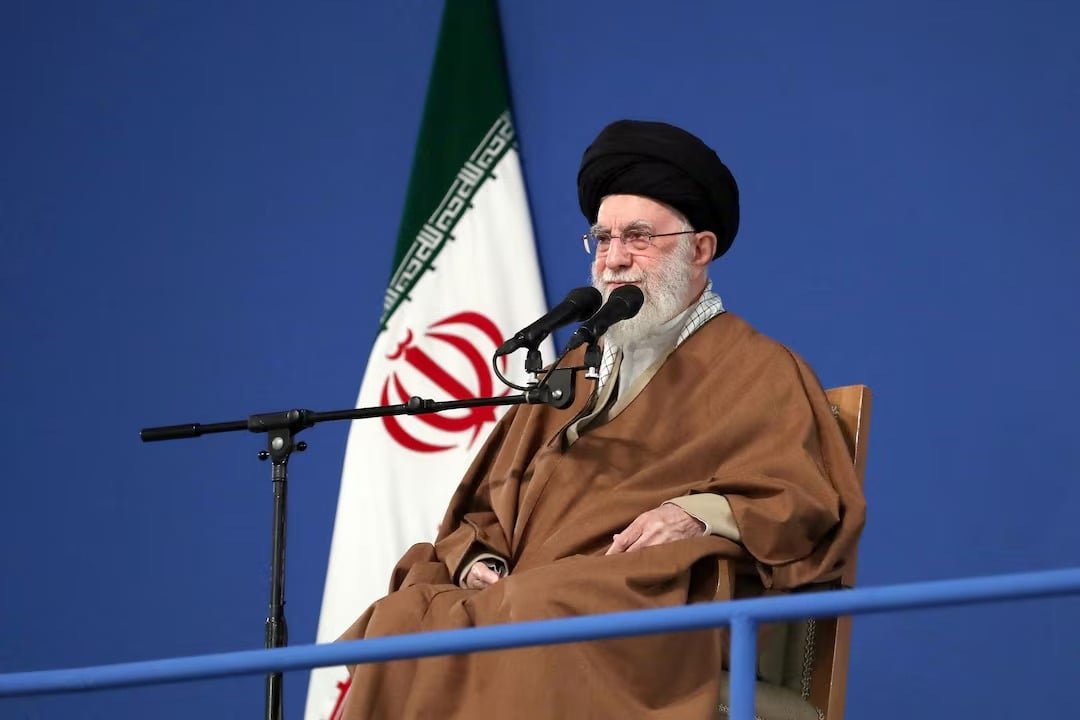
Khamenei’s legacy is defined by his role as the primary benefactor of Hamas and Hezbollah, and the creator of an expansive anti-Israel intelligence network.
His elimination comes only weeks after historic domestic unrest, where hundreds of thousands of Iranians took to the streets in open defiance of his rule.
While those protests did not topple the 86-year-old leader, this joint covert operation did.
The removal of the Supreme Leader has created an immediate and volatile power vacuum in Tehran.
With no clear successor, analysts anticipate intense infighting between the political elite and the Islamic Revolutionary Guard Corps (IRGC). While the IRGC remains a formidable force, the direction of the country’s future is now an open and highly consequential question.
The regional fallout has been swift. Iran has already launched retaliatory strikes across the Gulf, targeting sites in Abu Dhabi and areas near U.S. military bases.
Despite the escalating violence, U.S. President Donald Trump has maintained a firm stance, stating that the American military campaign will continue “as long as necessary” to neutralize further threats.