





The High Court of Enugu State, in a landmark judgment with far-reaching historical and diplomatic implications, declared the killing of 21 coal miners during the infamous Iva Valley Massacre of November 18, 1949, as unlawful, extrajudicial, and a gross violation of the victims’ fundamental right to life.
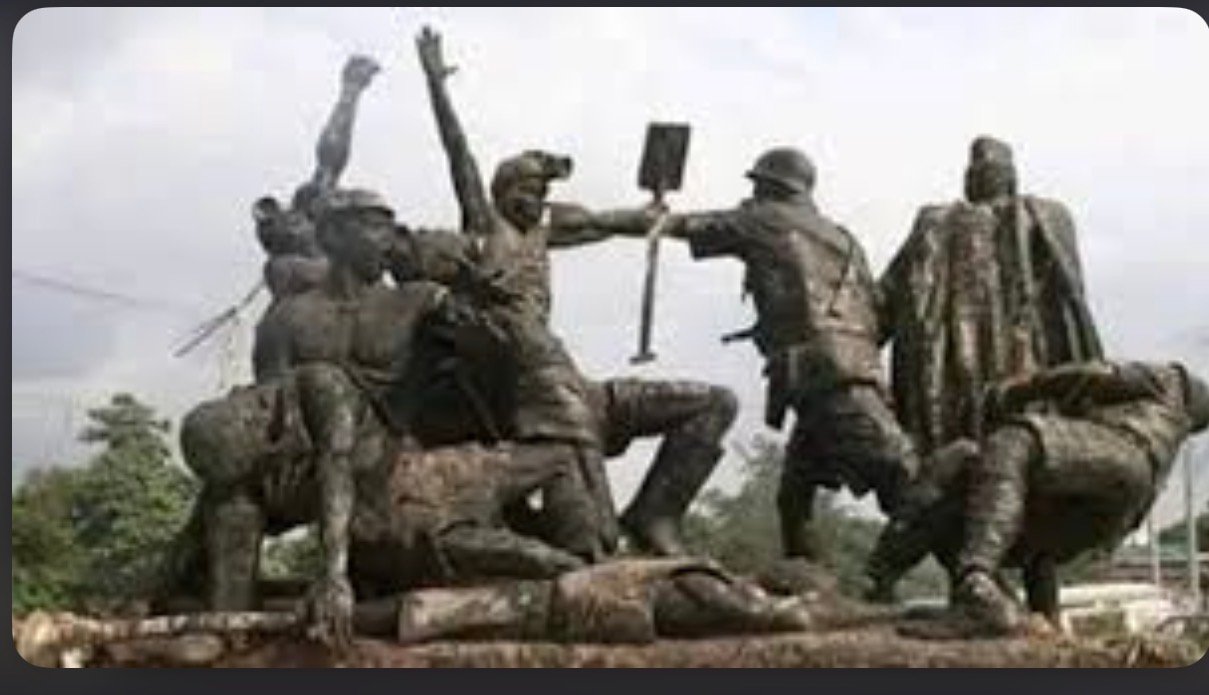
The Iva Valley Massacre remains one of the darkest chapters in Nigeria’s colonial history.
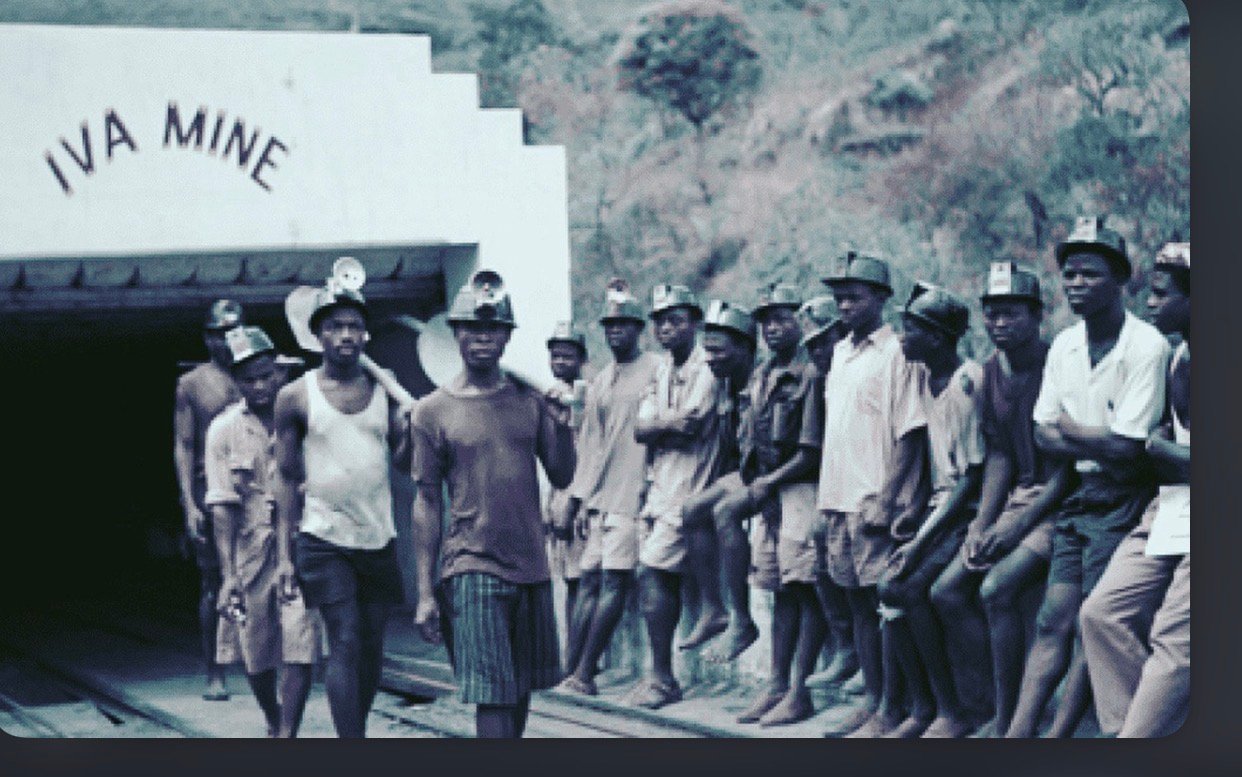
On November 18, 1949, colonial police opened fire on striking coal miners in Enugu, killing 21 workers and injuring many others during a labour dispute that became a defining moment in Nigeria’s anti-colonial struggle.
The judgment, delivered by Justice A.O. Onovo in Suit No. E/909/2024, held the British government and colonial authorities responsible for the massacre and ordered the payment of £420million in compensation to the families of the victims.
The suit was instituted by Mazi Greg Nwachukwu Onoh against the British Government, the Secretary of State for Foreign, Commonwealth and Development Affairs, the Head of the Commonwealth, the Government of the United Kingdom, the Federal Government of Nigeria, and the Attorney-General of the Federation.
In the judgment, the court declared that the killings of the miners at the Iva Valley Coal Mine in Enugu constituted a gross and extrajudicial violation of the right to life and that the colonial authorities exercising command and control over the police forces at the time bore direct responsibility for the massacre.
Justice Onovo ruled that the killings were carried out without lawful justification, due process, or judicial sanction, describing them as cruel, unjustified, and unlawful.
The court specifically named the 21 miners who were killed during the incident and held that their deaths represented an irreparable breach of rights guaranteed under the Magna Carta, the English Bill of Rights of 1689, the Universal Declaration of Human Rights, and Nigeria’s Constitution.
The court further held that the Federal Government of Nigeria, as successor state, has an obligation to pursue justice, redress, and reparations for the victims and their descendants.
Justice Onovo also faulted successive Nigerian governments for failing to pursue diplomatic or legal remedies against the United Kingdom over the massacre, describing the prolonged inaction as inconsistent with Nigeria’s commitment to human rights and access to justice.

As part of the orders, the court directed the Federal Government and the Attorney-General of the Federation to initiate diplomatic engagement with the British Government within 90 days in pursuit of justice, reparations, and effective remedies for the victims’ families.
The court awarded general damages of £20 million for each of the 21 victims, amounting to a total compensation package of £420 million.
In addition, the court ordered the British Government and other colonial respondents to issue an unreserved written apology to the families of the slain miners, acknowledging the unlawful killings.
The judgment also directed that the apology be published in major national newspapers in Nigeria and in three newspapers of wide circulation in the United Kingdom.
The court awarded post-judgment interest at the rate of 10 percent per annum on all monetary awards until full liquidation and ordered compliance with the judgment within 90 days.
The ruling is widely regarded as one of the most significant judicial pronouncements on colonial-era atrocities in Nigeria and could potentially open the door for broader legal and diplomatic claims arising from historical abuses committed during British colonial rule.